


20 Different Types of Apples and Their Uses
Apples 101
A lunchbox classic and the foundation of the beloved American dessert, apples are among the most popular fruits enjoyed around the world, with some 76 million tons produced globally every year. Most supermarkets carry at least a few different varieties (Red Delicious and Granny Smith, we’re looking at you)—and if you head to a farm stand or greenmarket, you’ll likely see many, many more, from fan favorites to never-heard-of-’em local cultivars, depending on where you live.
Sorting these fruits, however, isn’t black or white (or apples to apples, for that matter). That’s because while you can divvy up types of apples by sweetness, peel color, ripening season, and the ideal way to incorporate them into your cooking, many of them overlap—and many of them can fall into multiple categories (we love a good multitasker).
But before we get into the types of apples out there, dip into the health benefits of apples and how to select the right apple.
Health Benefits of Apples
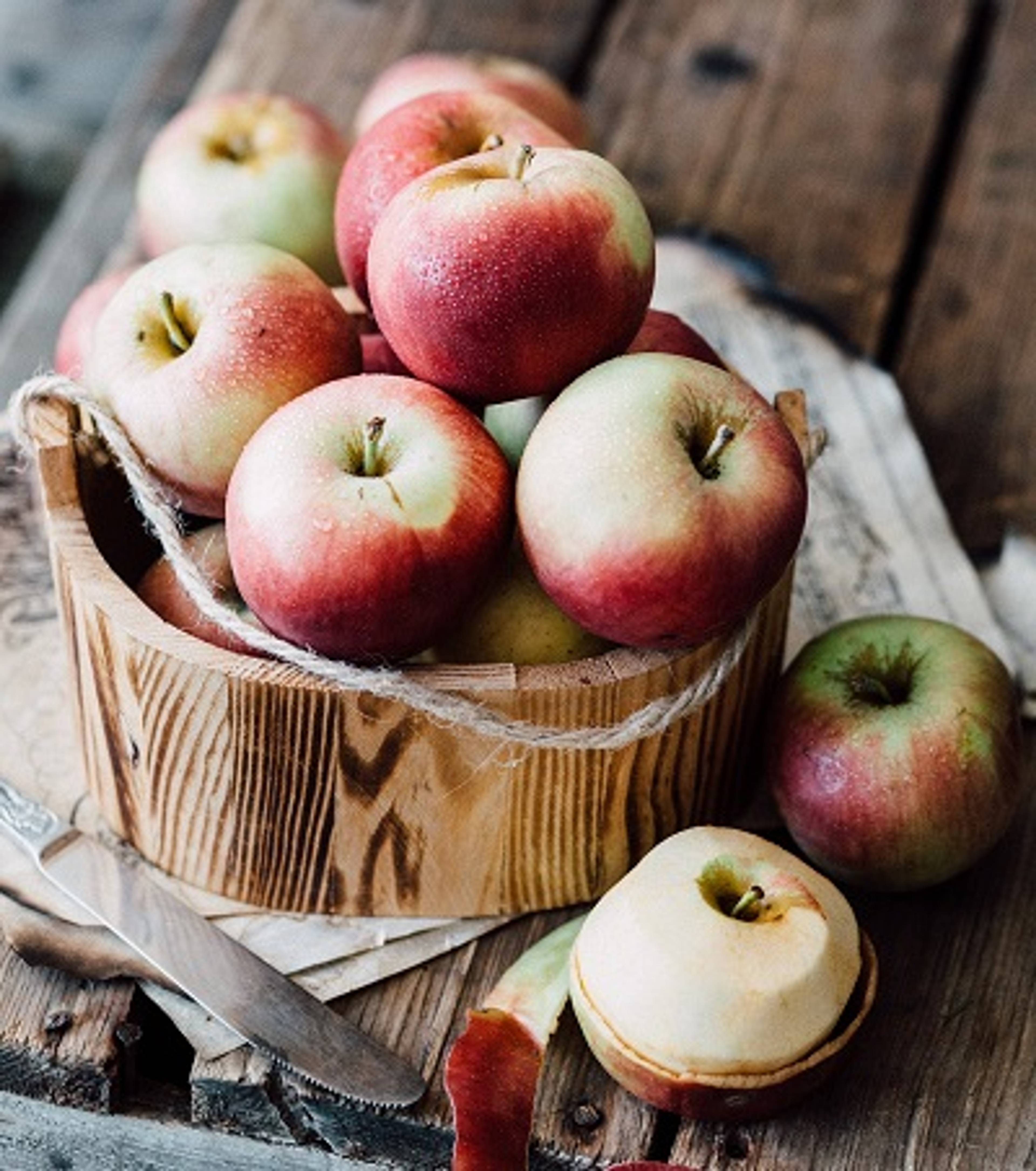
One thing all types of apples have in common is that they’re as good for your body as they are for your taste buds. Among the health benefits of apples: They’re a good source of fiber, they’re high in vitamin C, and they’re filling, due to their generous fiber and water content. (Keep the skin on for maximum benefits! That’s where much of the fiber lies.)
Alas, the saying isn’t exactly true: According to a 2015 study, an apple a day doesn’t actually keep the doctor away—but people who do actually eat an apple a day appear to use fewer prescription medications.
How to Tell If an Apple Is Bad
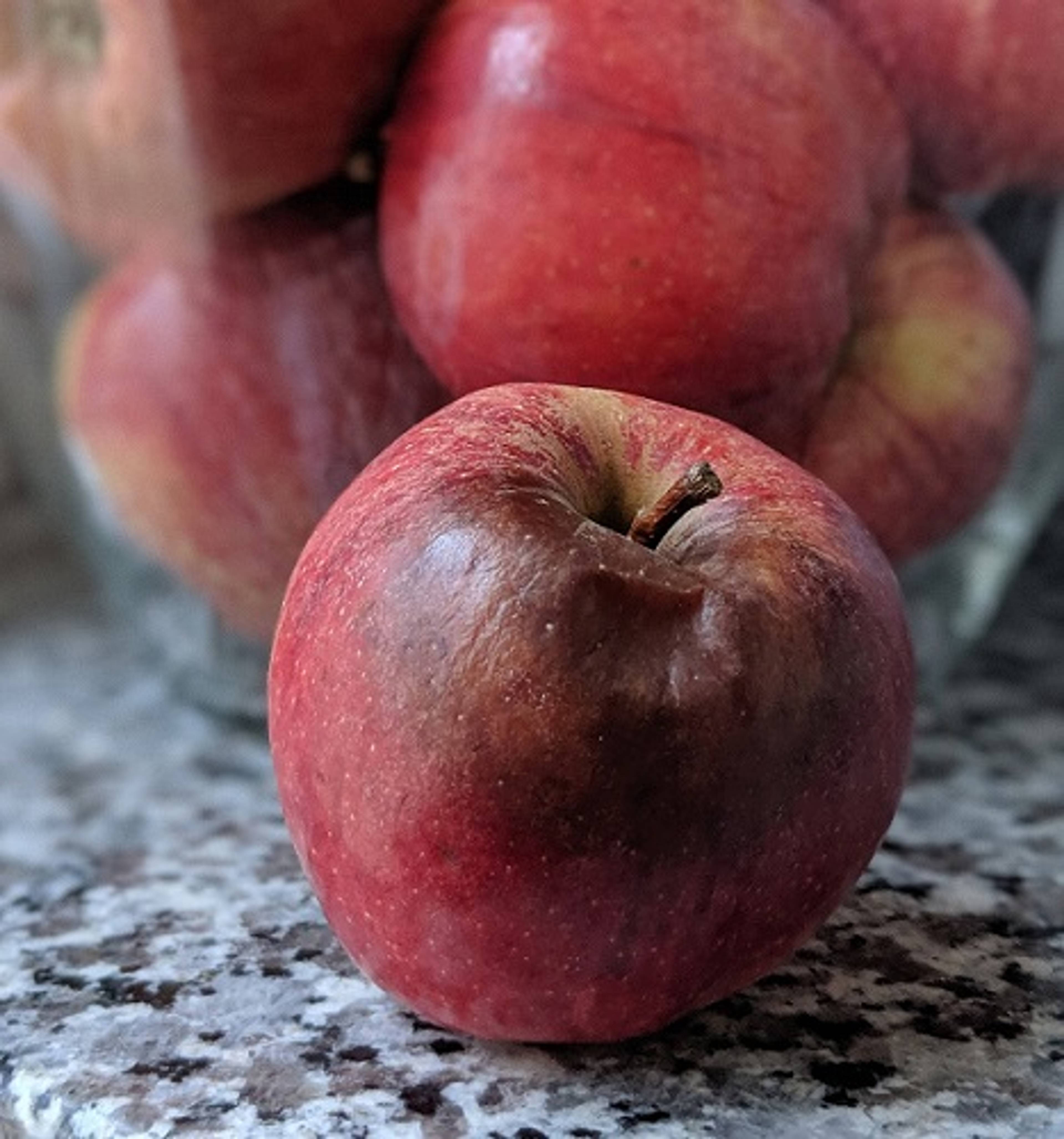
Start with the obvious: Look at the apple and see if there are big bruises. Small nicks and bruises don’t affect the overall quality of the apple, but if you’re looking forward to eating it out of hand you’ll want to avoid those with large bruises.
Gently press the fruit—you’re looking for a firm apple that doesn’t indent easily. If you wind up with a batch of softer apples, they’re probably still good (unless they look visibly rotten), but they might not have that crisp flesh you’re after. Use softer apples in cooked dishes, such as pies or roasted with pork. You can also tap the side of the apple and listen to its sound—a ready-to-eat apple will have a hollow tone, while a mealy or mushy apple will have a dull quality.
20 Types of Apples and Their Uses
