

Oat Milk vs. Almond Milk: Taste, Calories & Nutrition
We know that when it comes to plant-based milk, oat milk and almond milk are the clear front-runners. Whether you're sipping them solo, pouring them over cereal, or adding a splash to your morning coffee, both options bring something unique to the table. But if you've ever wondered how they stack up on taste, calories, and nutrition, you're not alone.
In this article, we're breaking down everything you need to know about oat milk and almond milk—how they’re made, how they taste, how many calories they pack, and what they offer in terms of nutrition.
So, if you're flip-flopping between the two or just want to make a more informed decision about your morning's milky companion, this guide will help you decide which one deserves a spot in your fridge.
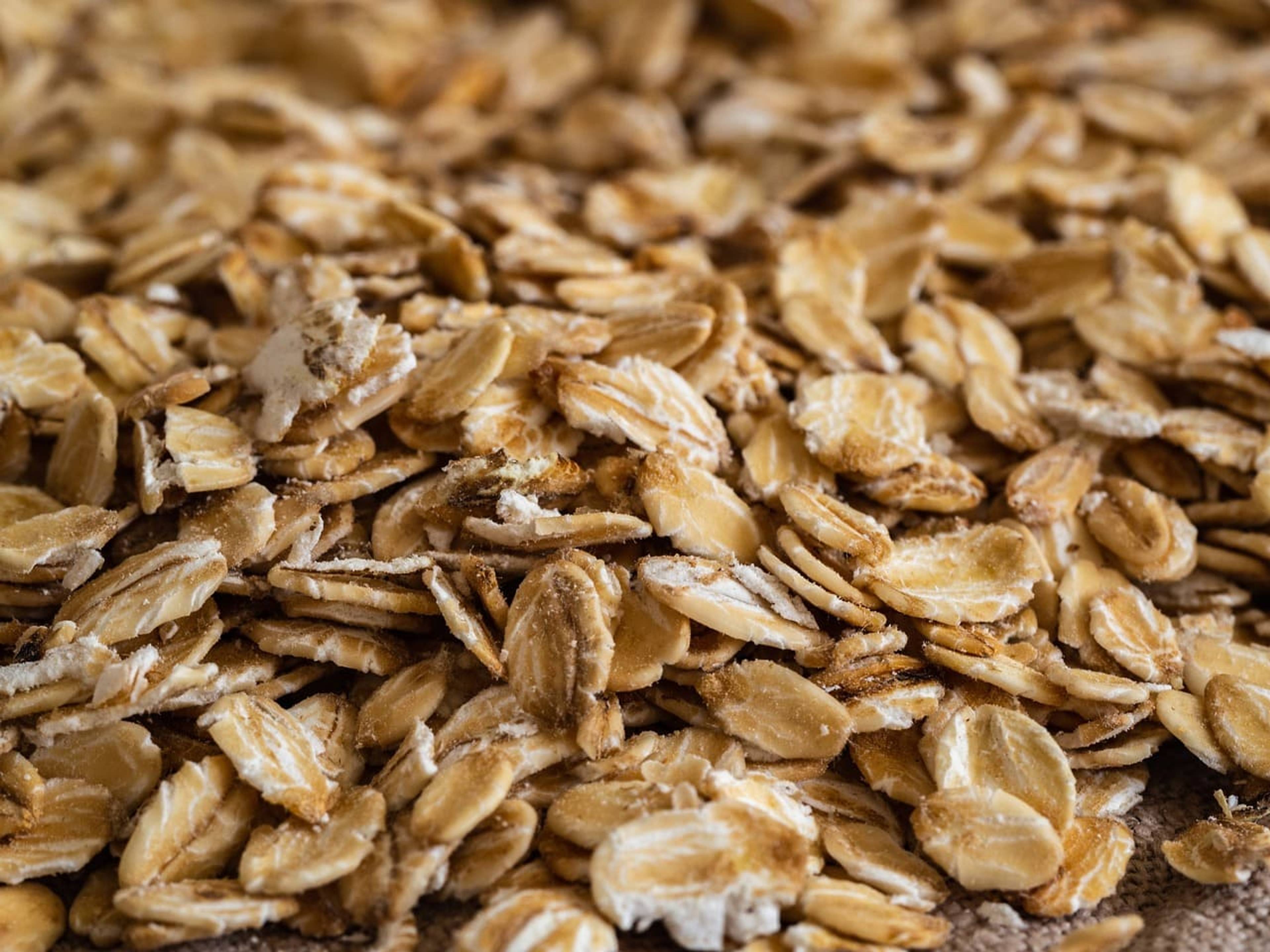
What Is Oat Milk?
Oat milk is a creamy, dairy-free milk made from—you guessed it—oats. Known for its smooth, almost velvety texture, oat milk has quickly become a favorite, especially for those looking to avoid nuts or soy. It has a mild, slightly sweet flavor, making it a great addition to everything from smoothies to baking recipes.
Oat milk’s real claim to fame, though, is its popularity with coffee lovers. Its thicker consistency and ability to froth make it an ideal choice for lattes and cappuccinos, adding that rich, foamy layer that other plant milks struggle to achieve. Whether it’s your morning coffee or a bowl of cereal, oat milk adds just the right amount of creaminess.
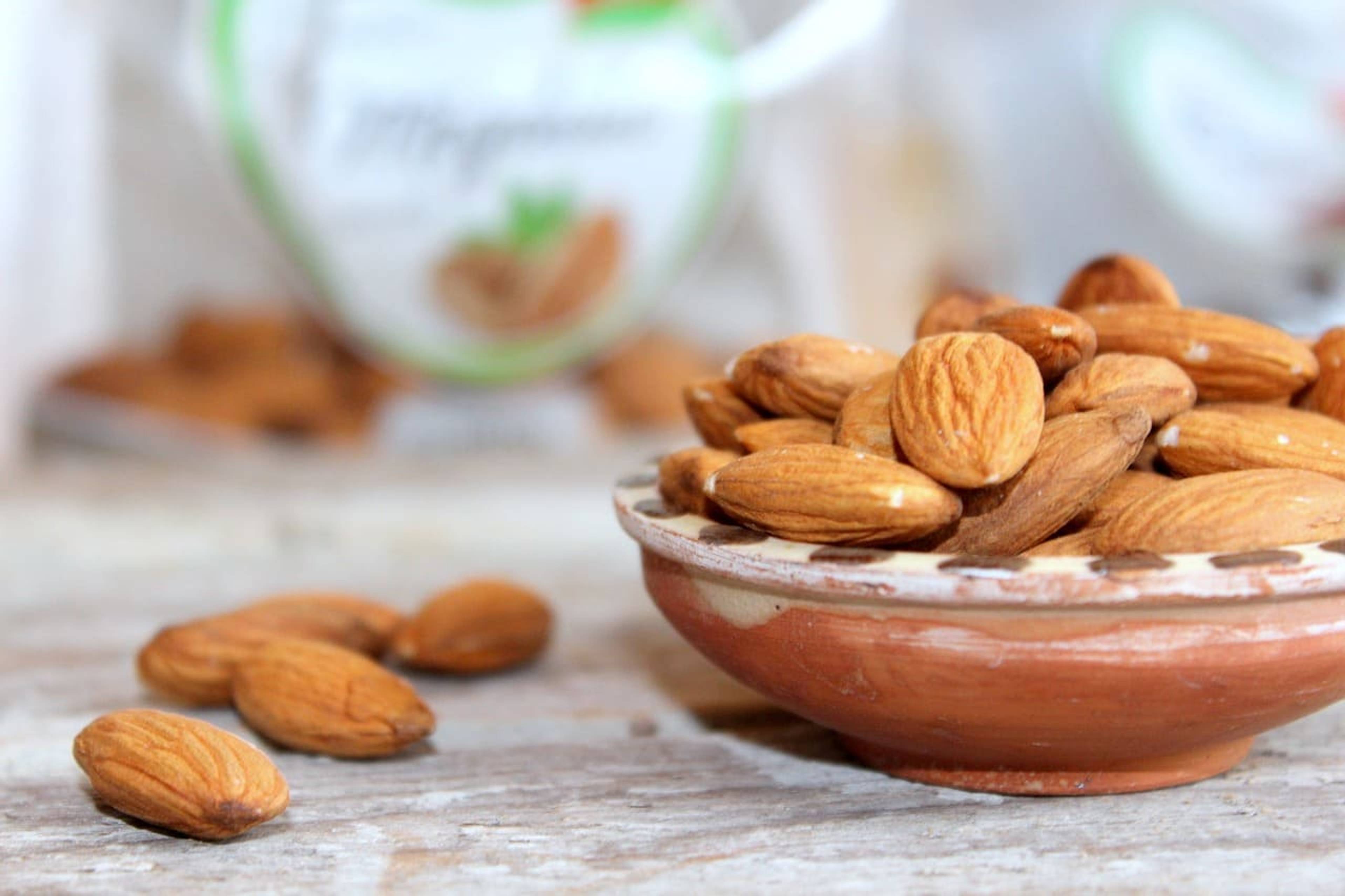
What Is Almond Milk?
Almond milk is another go-to in the plant-based world, made by blending almonds with water and straining the mix to leave behind a light, nutty-flavored milk. With a thinner consistency than oat milk, almond milk has a subtle taste that pairs well with almost anything, from cereals and smoothies to savory dishes.
Almond milk also comes in a range of options, including sweetened and unsweetened, vanilla-flavored, and even chocolate. Its mild flavor makes it a staple for those who love a hint of nuttiness but prefer something a bit lighter than oat milk.
Imagine the cozy taste of oats in a liquid form: not too bold, not too bland, just right for giving your coffee that creamy boost without overwhelming it. It's kind of like the comfort food version of milk—familiar, comforting, and just sweet enough to make you smile.
Oat Milk vs. Almond Milk
Wondering how oat milk and almond milk compare calorie and nutrition-wise? Here’s the scoop.
Calories:
Oat Milk Calories:
Oat milk typically has a bit more going on in the calorie department. On average, a cup of unsweetened oat milk has about 90-120 calories, depending on the brand. This is largely due to the natural sugars from oats, which bring a bit of extra energy.
Almond Milk Calories:
Almond milk, by contrast, is the lighter choice, clocking in at around 30-50 calories per cup if you go unsweetened. It’s naturally lower in carbs and sugars, making it a popular pick for those watching their calorie intake.
So, if you’re looking to keep things on the lean side, almond milk might be the better fit. But if you want a little extra creaminess and can afford a few more calories, oat milk’s worth considering.
Nutrition:
Oat milk naturally contains more carbs—about 16-20 grams per cup—giving you a bit of extra energy and a satisfying boost.
Plus, the fiber in oat milk, especially beta-glucans, is known to support heart health.
Many brands also add vitamins like B12 and D, rounding out their nutritional profile.
Almond milk keeps things lighter with only 1-3 grams of carbs per cup if unsweetened, and it’s a natural source of vitamin E, an antioxidant that supports skin and immune health. Often fortified with calcium and vitamin D, almond milk is a great option for bone health.
Still not sure which milk is right for you? Ask yourself these questions: Are you looking for a little more fiber and creaminess? Oat milk might be your match. Prefer fewer carbs and a lighter feel? Almond milk could be the way to go.
How To Use Oat Milk
Oat milk’s creamy texture makes it a natural in plenty of recipes. Here’s how to get the most out of it.
Smoothies
Oat milk brings just the right thickness to smoothies. It’s got a subtle sweetness that pairs well with fruits and nut butters, making your smoothie feel a bit heartier and more satisfying.
Baking
Need a non-dairy swap in baking? Oat milk’s consistency works well in cakes, muffins, or brownies, adding a little richness without overpowering flavors. Just use it in the same amount as regular milk for an easy substitute.
Sauces and Soups
Oat milk is great for creamy soups and pasta sauces. It adds thickness without a strong flavor, which is perfect when you’re making a dish like tomato soup or Alfredo that doesn’t need the extra weight of dairy.
Lattes and Tea
For homemade lattes, oat milk’s frothiness is spot on. Heat it up, froth it if you want that extra texture, and pour it into your coffee or tea. The creaminess holds up well, giving your drink a cozy, coffee-shop feel.
How To Use Almond Milk
Oat milk is clearly a popular pick for its creamy texture, but what about almond milk? Not to be outdone, almond milk brings its own perks to the table. Here’s how to make the most of this light, nutty favorite in your recipes.
Smoothies
Almond milk keeps smoothies light and refreshing. It doesn’t add a ton of extra thickness, which is great if you’re after a more hydrating, easy-to-drink smoothie that lets your main ingredients shine.
Baking
For lighter baked goods like muffins, pancakes, or quick breads, almond milk is a great dairy substitute. Its mild flavor blends right in without changing the taste. Just swap it in a 1:1 ratio for dairy milk in your recipe.
Savory Dishes
Need a milk substitute for savory recipes? Almond milk’s subtle nuttiness works well in mashed potatoes, creamy soups, or even sauces where you don’t want any extra sweetness.
Lattes and Drinks
Almond milk’s smoothness makes it a favorite in lattes and teas. While it doesn’t froth as much as oat milk, it blends well with coffee, matcha, and chai without taking over the flavor. Warm it up and add to your favorite drink for a simple, cozy swap.
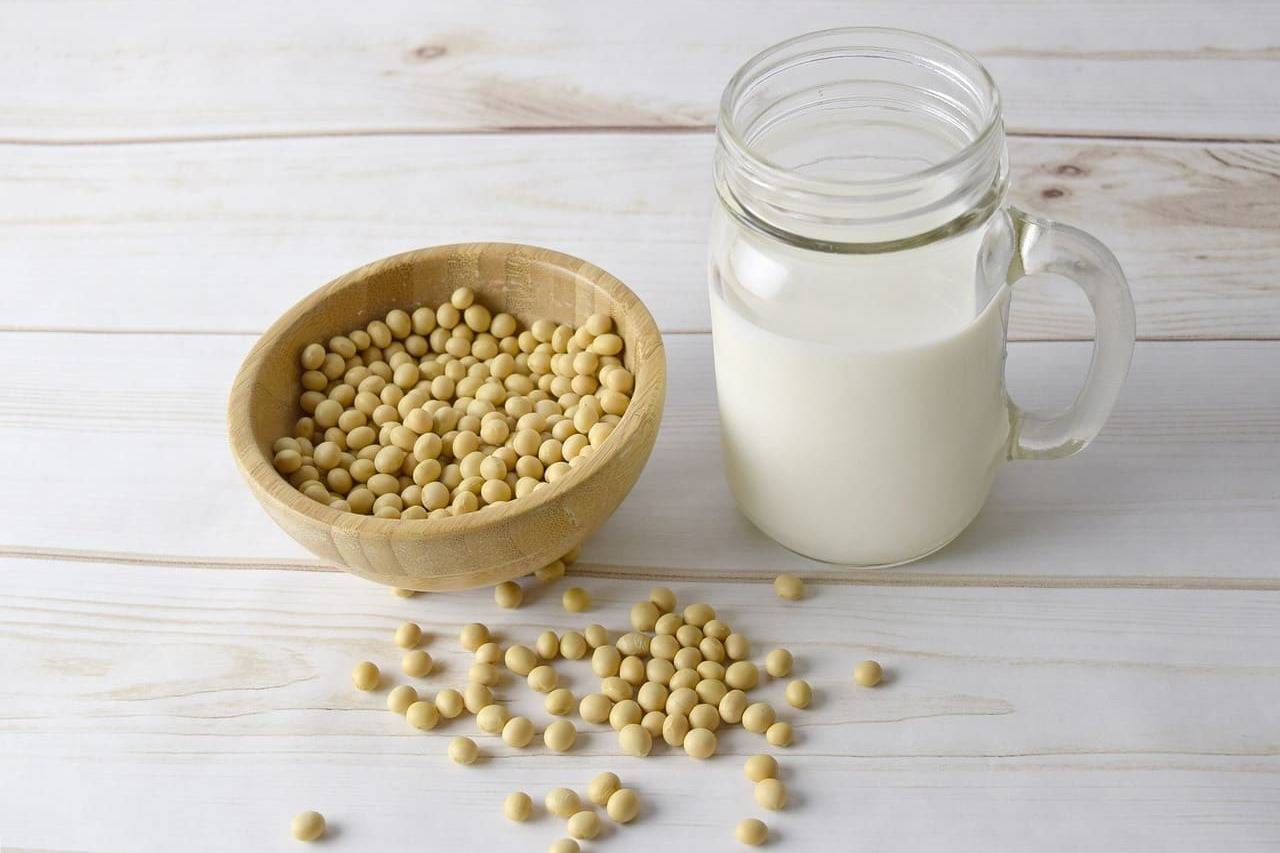
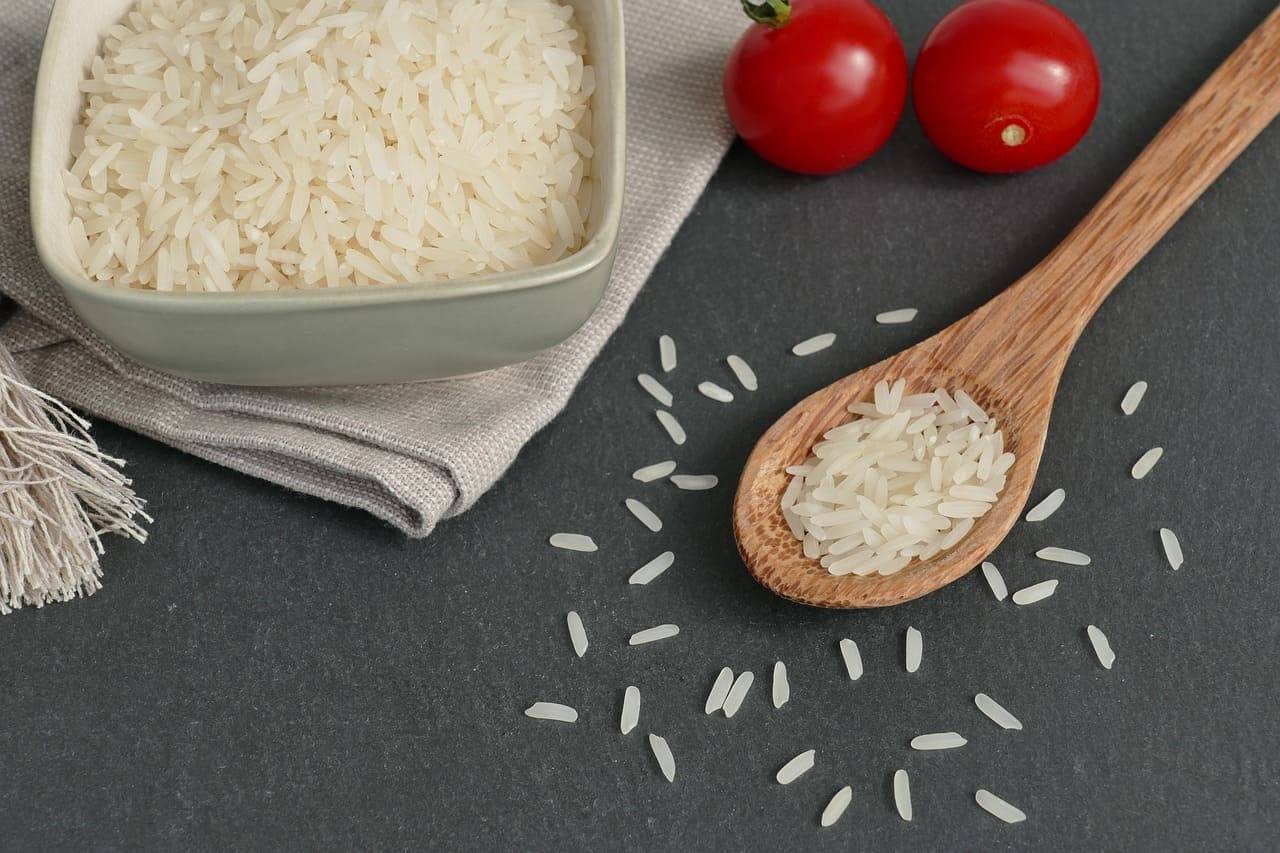
What Are Some Other Dairy-Free Milk Alternatives To Try?
Oat milk and almond milk are big favorites in the non-dairy world, but they’re not the only options. Whether you’re looking for a different taste, texture, or nutritional profile, there are plenty of other dairy-free milks worth exploring.
Here’s a quick look at a few more options you might want to try.


Get Free Breakfast for Life + 10 Free Meals*
Get Free Breakfast for Life + 10 Free Meals*